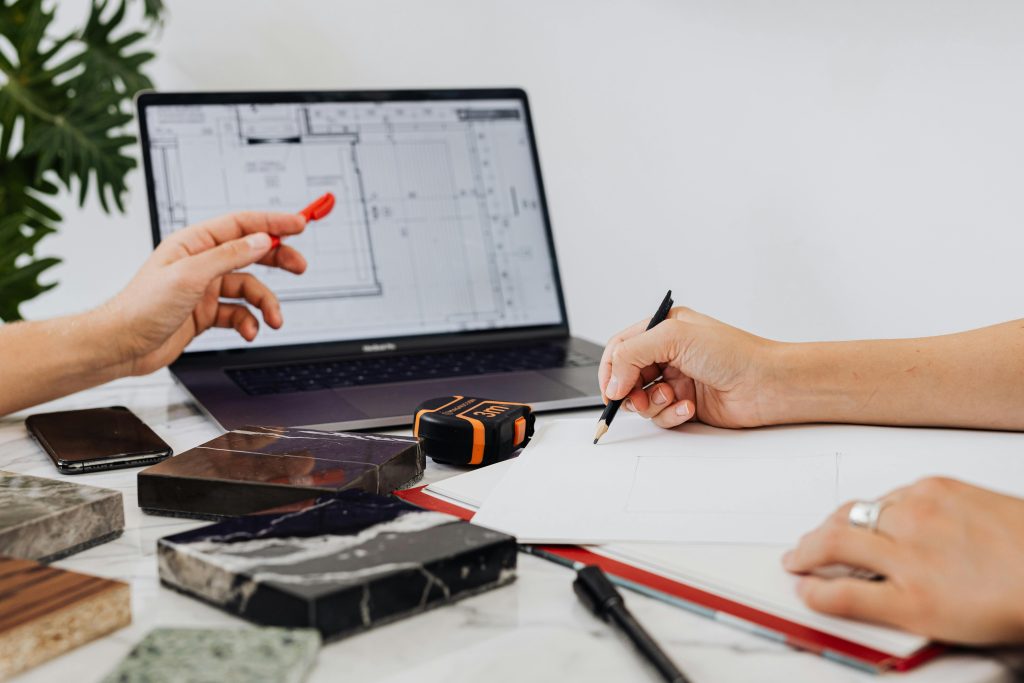
Understanding the Concept of Modular Kitchen Design
A modular kitchen is a modern approach to kitchen planning that focuses on functionality, efficiency, and aesthetics. Unlike traditional kitchens, modular kitchens are built using pre-manufactured cabinet units that can be assembled in various configurations. This allows homeowners to customize their kitchen space according to available area, personal style, and cooking needs.
The main advantage of modular kitchen design is flexibility. Every element, from storage units to countertops and appliances, can be arranged in a way that maximizes usability. This type of design is especially popular in urban homes where space optimization is essential. It ensures that even compact kitchens can feel organized, spacious, and easy to work in.
A well-planned modular kitchen improves workflow by creating a logical sequence between cooking, cleaning, and storage zones. This reduces unnecessary movement and makes daily cooking more efficient and enjoyable.
Essential Layouts and Space Optimization Strategies
Choosing the right layout is one of the most important aspects of modular kitchen planning. The layout determines how efficiently the kitchen functions and how comfortable it is to use. There are several common modular kitchen layouts, each suited for different types of spaces.
The L-shaped layout is one of the most popular choices, especially for small to medium-sized kitchens. It uses two adjacent walls, creating an efficient working triangle between the stove, sink, and refrigerator. This layout maximizes corner space and allows smooth movement.
The U-shaped layout is ideal for larger kitchens. It provides ample counter space and storage by utilizing three walls. This design supports multiple users working simultaneously, making it suitable for families or frequent cooking.
Parallel or galley kitchens are designed with two facing counters. This layout is highly efficient for narrow spaces and allows easy separation of cooking and cleaning zones. It is commonly used in apartments and compact homes.
Island kitchens are a modern choice that includes a central counter space. This island can be used for food preparation, dining, or storage. It adds both functionality and visual appeal but requires a larger kitchen area.
Proper space optimization also involves smart storage planning. Pull-out drawers, corner units, vertical cabinets, and hidden compartments help utilize every inch of available space effectively.
Material Selection, Storage Solutions, and Functionality
Material selection plays a crucial role in modular kitchen durability and appearance. Cabinets are typically made from materials such as plywood, MDF, or particle board, each offering different levels of strength and cost efficiency. Countertops are often made from granite, quartz, or engineered stone due to their durability and heat resistance.
Finishes also impact both aesthetics and maintenance. Glossy finishes give a modern look and are easy to clean, while matte finishes offer a subtle, elegant appearance. Choosing the right combination depends on lifestyle, cooking habits, and design preference.
Storage solutions are at the heart of modular kitchen functionality. Efficient storage ensures that everything has its place, reducing clutter and improving accessibility. Tall units are ideal for storing groceries and rarely used items, while drawers and pull-out trays are perfect for everyday utensils and cookware.
Corner storage solutions like carousel units help utilize difficult-to-reach areas. Wall-mounted cabinets free up counter space, making the kitchen look more open and organized. Proper lighting inside cabinets and work areas further enhances usability and safety.
Functionality should always be prioritized over aesthetics. A beautiful kitchen loses its value if it is not practical to use. Therefore, the design must balance both visual appeal and ease of operation.
Modern Trends in Modular Kitchen Design Planning
Modular kitchen design is constantly evolving with new trends focused on convenience, technology, and sustainability. One major trend is the integration of smart kitchen appliances. Devices such as smart ovens, touchless faucets, and automated lighting systems are becoming increasingly popular. These technologies enhance efficiency and improve user experience.
Minimalist design is another strong trend. Clean lines, clutter-free surfaces, and neutral color palettes create a calm and modern environment. This style focuses on simplicity while maintaining high functionality.
Sustainable kitchen design is also gaining importance. Eco-friendly materials, energy-efficient appliances, and waste management systems are being incorporated into modern kitchens. This not only reduces environmental impact but also lowers long-term costs.
Open kitchen layouts are becoming more common in modern homes. These designs connect the kitchen with living or dining areas, creating a more social and interactive space. This trend reflects changing lifestyles where cooking is often combined with entertainment and family interaction.
Customization is another key trend. Homeowners now prefer kitchens tailored to their specific needs rather than standardized designs. This includes personalized storage solutions, color themes, and layout configurations.
Modular kitchen design planning is no longer just about cooking space; it is about creating a well-organized, efficient, and visually appealing environment that enhances everyday living.